Exploring the nuances of gambling through cultural lenses
The Cultural Roots of Gambling
Gambling has long been a part of human history, with roots tracing back thousands of years. Many cultures have their own unique forms of gambling, each reflecting the values and beliefs of their societies. For instance, in ancient China, gambling was often linked to fortune-telling and spirituality, while in ancient Rome, games of chance were a form of entertainment among the elite. This rich tapestry showcases how gambling practices can serve as both a social lubricant and a mirror reflecting societal norms.

Different cultures view luck and chance through distinct lenses. In many Western cultures, gambling is often seen as a leisure activity, a way to escape the mundane aspects of life. Conversely, in Eastern cultures, it can carry a weight of spiritual significance, where the outcomes may be interpreted as omens or signs from the universe. Such perspectives shape not only how gambling is approached but also how it is integrated into social life, from family gatherings to community festivals. Shikaka Casino
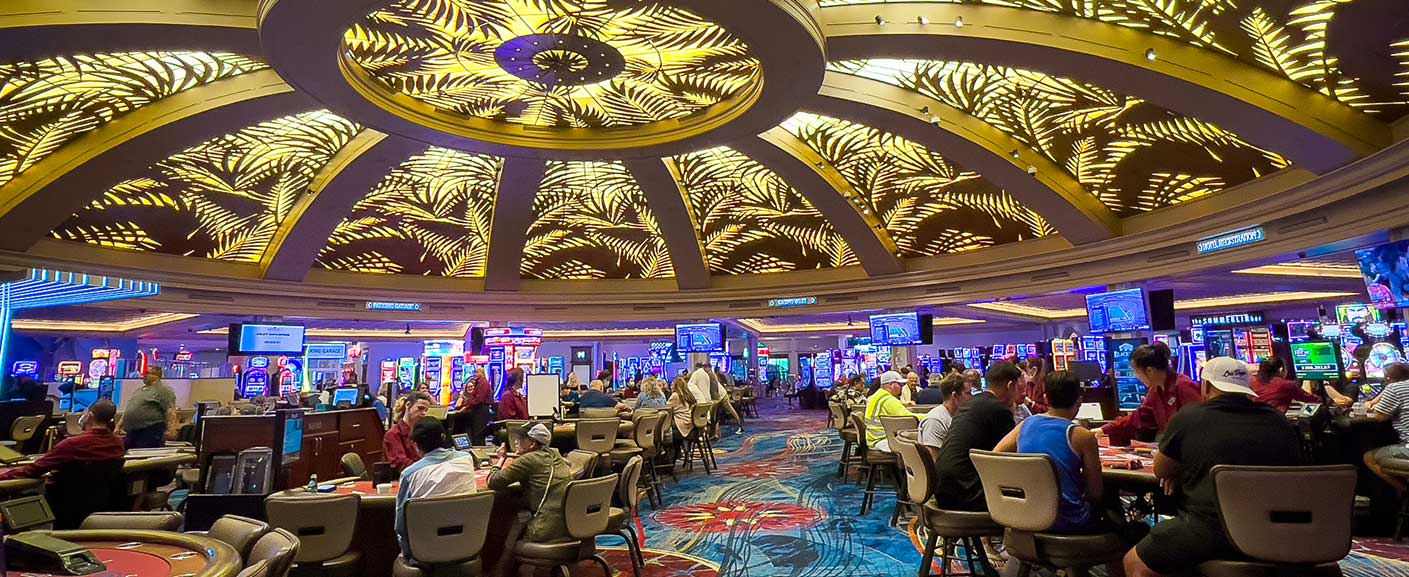
Moreover, these cultural interpretations influence contemporary gambling practices, including online platforms that cater to varying tastes. For example, while casinos in Las Vegas showcase high-energy entertainment designed for thrill-seekers, establishments in Japan emphasize a controlled environment focused on social cohesion. This distinction is vital as it informs how gambling is marketed and who is invited to partake in these experiences.
The Influence of Technology on Gambling
In recent years, technology has revolutionized the gambling landscape, reshaping how people engage with games of chance. The advent of online casinos has made gambling more accessible than ever, allowing players to indulge from the comfort of their own homes. This shift has opened the door for innovations such as live dealer games, which attempt to recreate the thrill of a physical casino through real-time interaction and video streaming.
Mobile technology has further enhanced this experience, with dedicated apps allowing players to gamble on the go. This convenience has broadened the audience for gambling, attracting younger generations who favor quick, mobile-friendly experiences. The rise of social gambling games, which incorporate elements of gambling into non-monetary contexts, showcases how technology blends traditional gaming with social media dynamics, creating a new cultural phenomenon.
However, while technology enhances engagement, it also raises questions about responsible gaming. With easy access comes the risk of gambling addiction, prompting the need for robust regulatory frameworks and responsible gaming tools. Therefore, it is essential to balance technological advancements with measures that promote a safe gambling environment, ensuring that the fun of gambling doesn’t come at the expense of player well-being.
Global Perspectives on Gambling Regulations
The regulatory landscape surrounding gambling varies significantly across cultures and regions. In countries like the United States, gambling regulations are often influenced by state laws, leading to a patchwork of legal frameworks. This can create confusion for players, as experiences differ greatly from one jurisdiction to another. Such regulations often reflect the cultural attitudes towards gambling, with some places embracing it while others remain more conservative.
In contrast, European countries tend to have more harmonized regulations, emphasizing consumer protection while allowing for a diverse range of gambling activities. The European Union has implemented directives aimed at promoting responsible gambling, showcasing how collaborative approaches can benefit consumers. Additionally, some nations are exploring the implications of online gambling within their legal frameworks, further exemplifying the evolving nature of gambling laws.
These varying regulations can impact the gaming industry significantly, affecting everything from taxation to operational requirements. As globalization continues to integrate markets, the influence of cultural attitudes will undoubtedly shape regulatory approaches, creating new challenges and opportunities for operators and players alike. Understanding this global landscape is crucial for players seeking to navigate the complexities of gambling in different cultural contexts.
Gambling as a Social Activity
Gambling often transcends mere entertainment, serving as a social activity that fosters connection among players. In many cultures, social gambling is an integral part of community gatherings, where individuals come together to enjoy games in a relaxed setting. This can range from family poker nights to community lottery events, highlighting how gambling can strengthen social bonds and create shared experiences.
Moreover, cultural attitudes influence the social perception of gambling. In some societies, it is celebrated as a rite of passage or a social norm, while in others, it may be stigmatized or associated with negative outcomes. This distinction affects how communities view gambling-related events, whether they are seen as joyous occasions or cautionary tales about excess.
In recent years, online platforms have also begun to incorporate social elements, enabling players to interact with friends and strangers alike through chat functions and multiplayer games. This evolution reflects a broader trend towards social gaming, where the experience is less about winning money and more about building community. As gambling continues to evolve, these social dimensions will undoubtedly remain a crucial aspect of its cultural significance.
Shikaka Casino: A Case Study in Cultural Adaptation
serves as an exemplary case study in the intersection of gambling and culture, particularly within the Canadian context. By offering a vast array of over 8,500 games, Shikaka caters to a diverse player base, ensuring that its offerings align with various cultural preferences. This adaptability is essential in a multicultural society like Canada, where players from different backgrounds seek unique gaming experiences.
The platform’s commitment to responsible gaming is another reflection of cultural awareness. By providing players with tools for self-assessment and support, Shikaka emphasizes the importance of player welfare, aligning with broader societal values regarding health and well-being. Additionally, the incorporation of cutting-edge technology enhances the user experience, making it easy for players to engage while maintaining a focus on safety.
As Shikaka continues to grow, it embodies the evolving nature of gambling through cultural lenses. Its strategic approach to customer engagement, inclusive game offerings, and commitment to responsible gaming practices showcase how a modern online casino can thrive by respecting and adapting to the diverse cultural landscapes it serves. As the industry progresses, Shikaka’s model could serve as a guiding example for future gaming platforms worldwide.