Understanding the Cultural Significance of Casinos in Modern Society
The Historical Roots of Casinos
The evolution of casinos can be traced back to ancient civilizations, where various forms of gambling played a crucial role in social gatherings and entertainment. Early examples include the Roman Empire, where betting on chariot races was common, and ancient China, where dice games date back thousands of years. These early gambling practices set the stage for the development of modern casinos, showcasing how the allure of chance has been deeply embedded in human culture across centuries. In the present day, online options such as https://1xbet-1-xbet-egypt.com/ offer a glimpse into how this tradition has adapted.

As societies advanced, the notion of organized gambling began to take shape in Europe during the Renaissance. The establishment of gaming houses in cities like Venice marked a significant turning point, blending the thrill of risk with social interactions. This historical context is vital to understanding how casinos emerged not merely as places of gambling, but as social hubs where people congregated, fostering community ties and cultural exchanges.
The transition to modern casinos in the 20th century reflected broader societal changes. With the rise of Las Vegas and Atlantic City, casinos began to symbolize not just gambling, but an entire lifestyle and culture. These locations attracted millions of visitors, showcasing opulence and entertainment, thus solidifying their status as important cultural landmarks. This historical journey illustrates the deep-rooted significance of casinos in shaping societal norms and leisure activities.
Casinos as Social Spaces
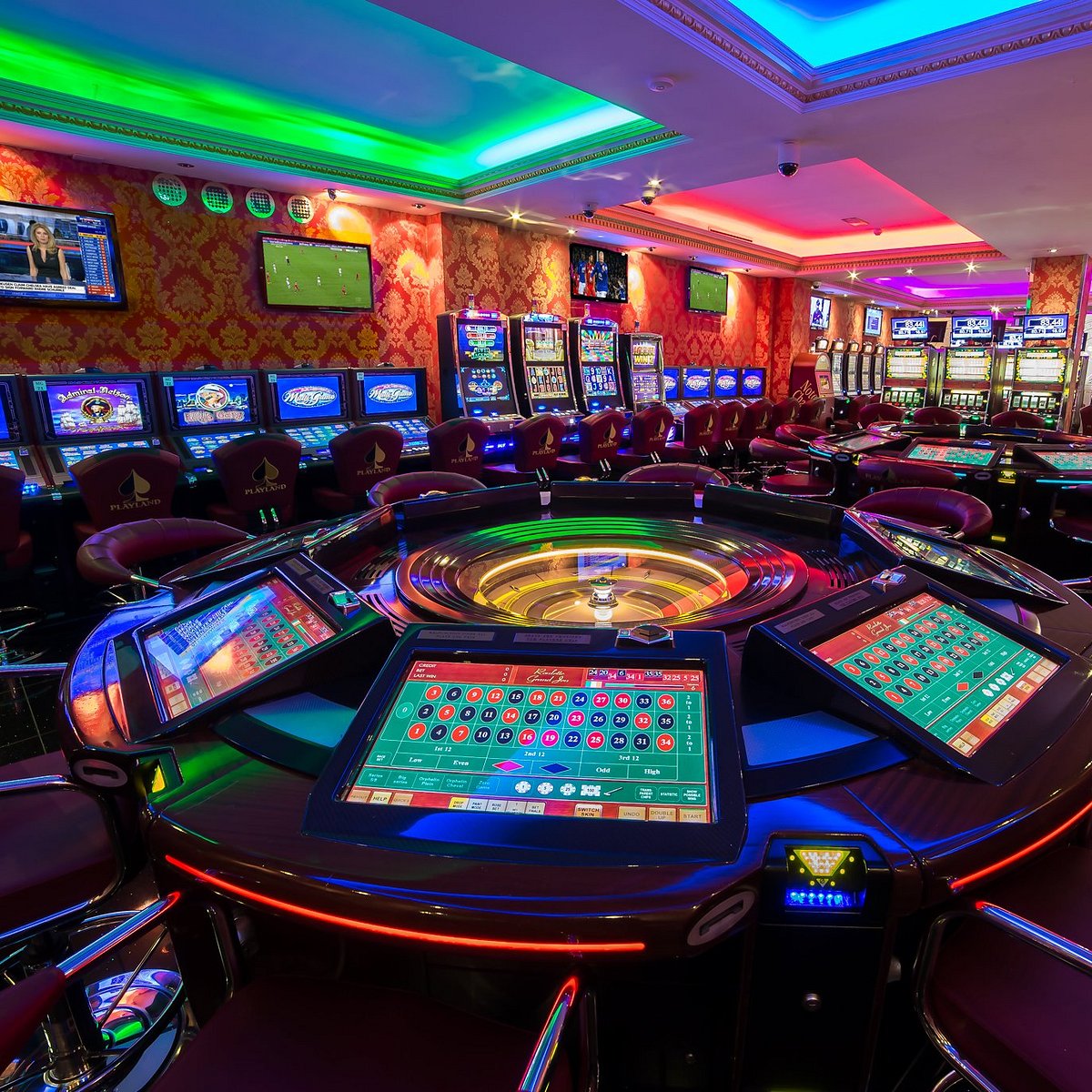
In today’s society, casinos serve as more than just venues for gambling; they are vibrant social environments. People from various backgrounds converge in these spaces to engage in both gaming and socialization. The atmosphere is often electric, filled with sounds of excitement, laughter, and camaraderie, highlighting the communal aspect of gambling. This environment fosters relationships, whether through friendly competition at poker tables or shared experiences while celebrating wins. Observing proper casino etiquette helps enhance this social experience, ensuring everyone enjoys their time together.
Moreover, casinos frequently host events, performances, and dining experiences, enhancing their role as social hubs. From live concerts to gourmet restaurants, these establishments offer a plethora of activities that attract a diverse clientele. This multifunctionality transforms casinos into entertainment destinations, appealing to individuals who may not be interested in gambling but enjoy the vibrant atmosphere. Consequently, casinos contribute significantly to local economies and tourism, solidifying their importance in modern society.
Additionally, the social dynamics within casinos reflect broader cultural trends. The integration of technology, such as online gaming platforms and mobile apps, is reshaping how people engage with these spaces. While traditional brick-and-mortar casinos remain popular, the rise of virtual gambling is creating new social interactions. People are now able to connect with others globally, fostering a sense of community that transcends geographical boundaries. This evolution illustrates how casinos continually adapt to societal changes while maintaining their cultural significance.
The Psychological Appeal of Gambling
The psychological factors that draw individuals to casinos are complex and multifaceted. The thrill of risk-taking and the potential for significant rewards elicit a strong emotional response, often described as a ‘rush.’ This excitement can create a captivating atmosphere where individuals seek the exhilaration of winning, leading them to return time and again. The psychology behind gambling taps into the human desire for adventure and unpredictability, making casinos alluring spaces for many.
Furthermore, casinos often employ strategies to enhance this psychological allure. The use of sounds, lights, and visual cues are meticulously designed to create an engaging environment. For instance, the clinking of coins, vibrant lights, and celebratory cheers create a sensory experience that encourages patrons to spend more time and money. This atmospheric manipulation illustrates the sophisticated understanding of human psychology that casinos utilize to foster engagement.
Additionally, gambling can serve as an escape from everyday stress. In a fast-paced world filled with responsibilities, many individuals turn to casinos as a means of relaxation and distraction. This phenomenon raises important discussions around gambling addiction and responsible gaming. While the psychological appeal is undeniable, it is essential to recognize the balance between enjoyment and the potential for harm. Understanding this aspect of casinos emphasizes the need for continued education and resources to promote responsible gambling practices in modern society.
Ethical Considerations in Casino Culture
The cultural significance of casinos also brings forth important ethical considerations. The impact of gambling on individuals and communities is a complex issue, as it often intertwines with socioeconomic factors. While casinos can stimulate local economies and provide jobs, they can also exacerbate issues related to addiction, crime, and social inequality. Acknowledging these challenges is crucial in understanding the broader implications of casino culture in society.
Moreover, the portrayal of casinos in media often glamorizes gambling, leading to misconceptions about the nature of the activity. While many people enjoy gambling responsibly, others may struggle with addiction, facing significant personal and financial hardships. This duality emphasizes the necessity for casinos to implement responsible gaming measures. Educational programs, support resources, and self-exclusion options are vital in promoting a balanced approach to gambling, ensuring that the cultural significance of casinos does not come at the cost of individual well-being.
Additionally, there is a growing movement within the industry advocating for ethical standards and corporate social responsibility. As casinos continue to evolve, the integration of ethical practices can enhance their reputation and social impact. By prioritizing community engagement, supporting local initiatives, and promoting responsible gaming, casinos can contribute positively to society while maintaining their cultural significance.
Exploring Online Casinos and Their Cultural Impact
The rise of online casinos has transformed the gambling landscape significantly. With the advent of technology, players can now access their favorite games from the comfort of their homes, altering the traditional casino experience. This shift has profound cultural implications, as it broadens the audience base and alters social interactions associated with gambling. Online casinos cater to a diverse demographic, making gambling more accessible while also sparking discussions around responsible gaming practices.
Despite the convenience of online gambling, it raises questions about the social aspects traditionally associated with physical casinos. The lack of in-person interactions can diminish the communal experience that many players cherish. However, advancements in technology, such as live dealer games and virtual reality experiences, strive to bridge this gap, bringing the social element back into online gaming. This adaptation reflects the industry’s commitment to evolving while preserving the cultural significance of casinos.
Furthermore, online casinos have created opportunities for education and awareness regarding gambling. Many platforms offer resources aimed at promoting responsible gaming, allowing players to make informed decisions. This proactive approach can enhance the overall gaming experience while addressing potential risks associated with online gambling. The cultural impact of online casinos underscores the need for continual adaptation and ethical considerations in a rapidly changing landscape.