The Concept of Luck in Gambling
Luck is often considered a pivotal element in gambling, especially in casino environments where chance plays a significant role in outcomes. Players frequently discuss the notion of luck, attributing their victories or losses to this elusive concept. In fact, many enthusiasts turn to platforms like 1win for their gaming experiences, believing that the unpredictability inherent in games like slots, roulette, and blackjack fuels the belief that fortune smiles upon certain players, affecting their overall experience. This belief can create emotional highs and lows, making the gambling experience much more than just a simple transaction of placing bets.
Moreover, the idea of luck is culturally significant and varies from one region to another. In some cultures, specific rituals or superstitions are believed to attract luck, such as carrying a lucky charm or wearing particular colors. These practices have been passed down through generations and influence how players approach games, impacting their mindset and emotional state during play. A player’s belief in their own luck can, therefore, shape and enhance their entire casino experience.
However, it is essential to recognize that luck is ultimately a random factor in gambling. While players might feel they can influence their luck through strategies or behaviors, the role of chance is intrinsic to the nature of casino games. Understanding this balance between skill and luck is crucial for players to maintain a positive perspective and enjoy their time at the tables or machines without undue expectations of controlling outcomes.
Psychological Impact of Believing in Luck
The psychology behind gambling reveals that belief in luck can significantly influence players’ behavior and decision-making. For many, the thrill of gambling is heightened by the belief that they could be the next lucky winner. This belief can lead to increased engagement and risk-taking behavior, where players are more likely to stake larger amounts or continue playing despite previous losses. The excitement generated by the potential of hitting a jackpot can be intoxicating, leading to an enhanced overall casino experience.
Conversely, the pressure of performing well under the notion of luck can also lead to negative feelings. A player who believes they are on a “lucky streak” may take more significant risks, while those on a losing streak might feel demoralized and question their luck’s presence. This psychological rollercoaster can have a profound effect on a player’s mood and enjoyment, showcasing how luck isn’t just an abstract concept but a motivating force in the casino environment.

In essence, the belief in luck serves as both a motivator and a barrier. Players who embrace their luck with a positive mindset often report more enjoyment, while those who focus on the absence of luck may experience frustration. Understanding this psychological aspect can encourage players to approach their casino experiences with a balanced view, enjoying the thrill while recognizing the odds inherent in gambling.
The Role of Strategy vs. Luck
While luck plays an undeniable role in gambling, strategy is equally significant in shaping the casino experience. Players often employ various strategies, especially in games like poker or blackjack, where skill and decision-making can influence outcomes. Understanding the rules, odds, and strategies can allow players to feel more in control of their experience, contrasting with the randomness associated with luck. For example, knowing when to hit or stand in blackjack is a strategic decision that can impact a player’s chances of winning.
However, the interplay between luck and strategy can result in complex scenarios. A well-planned strategy can lead to success, but luck ultimately determines the outcome. This creates an interesting dynamic; players who rely purely on luck may find themselves at the mercy of chance, while those who study and implement strategies may find their experiences more rewarding. The blend of these two elements, therefore, influences whether players leave the casino feeling satisfied or disappointed.
Ultimately, a balanced approach that acknowledges both luck and strategy can enhance a player’s enjoyment. By recognizing that luck can fluctuate, players can appreciate the skill involved in strategic gameplay while remaining open to the unpredictable nature of chance. This understanding empowers them to navigate the casino landscape with greater confidence and enjoyment, regardless of the immediate outcomes.
How Casino Environment Influences Perceptions of Luck
The ambiance and design of a casino can profoundly impact players’ perceptions of luck. From the sounds of ringing slots to the flashing lights and a vibrant atmosphere, casinos are purposely designed to create an exhilarating environment that fosters excitement and hope. These sensory experiences can evoke feelings of good fortune, encouraging players to be more optimistic about their chance of winning. The way a casino is structured can effectively shape a player’s mindset as they enter to gamble.
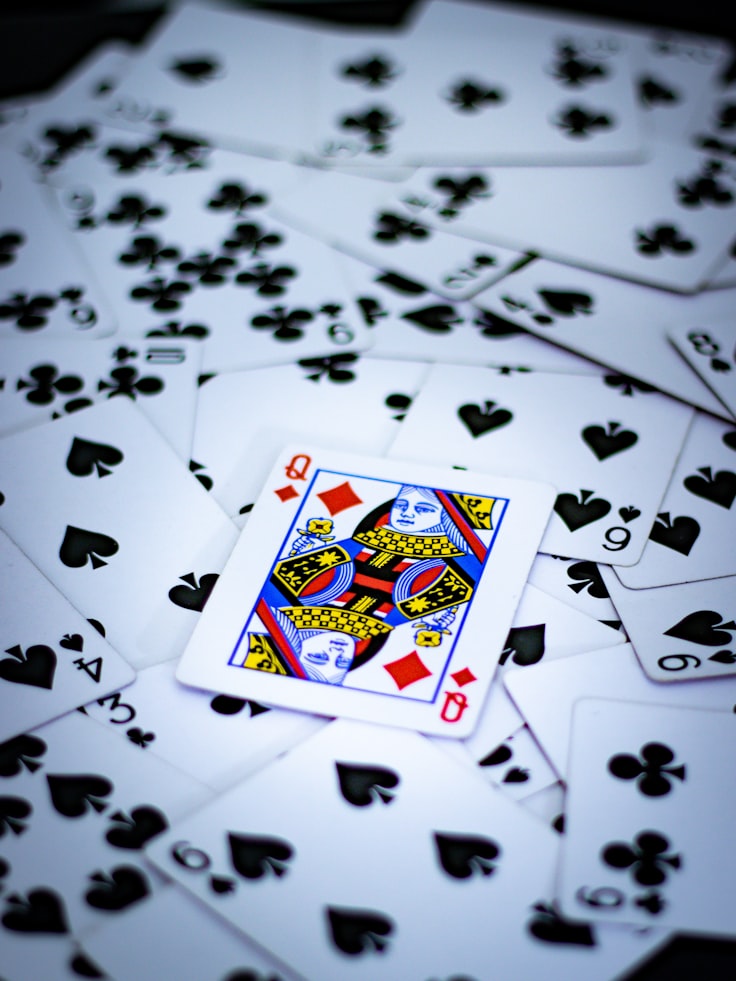
Moreover, social interactions also play a crucial role in influencing perceptions of luck. Players often share stories of winning and losing, which can reinforce beliefs about luck within the community. Seeing others win can trigger feelings of optimism and the belief that luck is contagious, prompting players to engage more freely. This social dynamic is amplified in games like craps or roulette, where group enthusiasm can boost individual morale, contributing to a shared perception of luck.
However, it’s essential to acknowledge the role of reality in this environment. While the casino strives to cultivate an atmosphere of luck and excitement, the outcomes remain random. Understanding that the environment is designed to evoke emotional responses can help players maintain a grounded perspective during their experience. By recognizing this interplay between the casino atmosphere and the concept of luck, players can enjoy the experience more without losing sight of the underlying realities of gambling.
Understanding Your Own Luck through Experience
Experiencing gambling firsthand provides valuable insights into one’s perceptions of luck. Every player inevitably goes through winning and losing streaks, which form their personalized narratives concerning luck in the casino setting. By reflecting on these experiences, players can better understand how luck influences their gambling and develop a more nuanced perspective toward it. This self-examination can lead to enhanced enjoyment and more responsible gambling habits over time.
Additionally, keeping track of personal gambling experiences can reveal patterns that reflect the idea of luck. Players may notice that certain games feel luckier than others, or specific times seem more favorable. Recognizing these trends can help players make informed decisions about their gaming sessions, allowing them to engage in a more strategic manner while still acknowledging the role of chance. Over time, this practice can create a balanced relationship between luck and personal strategy.
Ultimately, embracing one’s experiences—both good and bad—can allow players to appreciate the unpredictable nature of gambling. By separating personal belief in luck from the mathematical odds of games, individuals can cultivate a healthier gambling approach. This understanding not only enhances the casino experience but also promotes responsible gaming practices, ensuring that players can enjoy their time at the tables without the pressures of unrealistic expectations.