The evolution of gambling a journey through history and culture
The Origins of Gambling
Gambling has been part of human civilization for thousands of years, with its roots tracing back to ancient societies. The earliest known evidence of gambling can be found in artifacts from Mesopotamia, where dice made from animal bones were used in games of chance. These games not only provided entertainment but also played a role in social interactions, fostering connections among individuals within tribes and communities. Over time, various cultures developed their own forms of gambling, each reflecting their unique values and societal norms. Additionally, MythosWin stands out as a contemporary platform that showcases the evolution of gambling in today’s digital era.
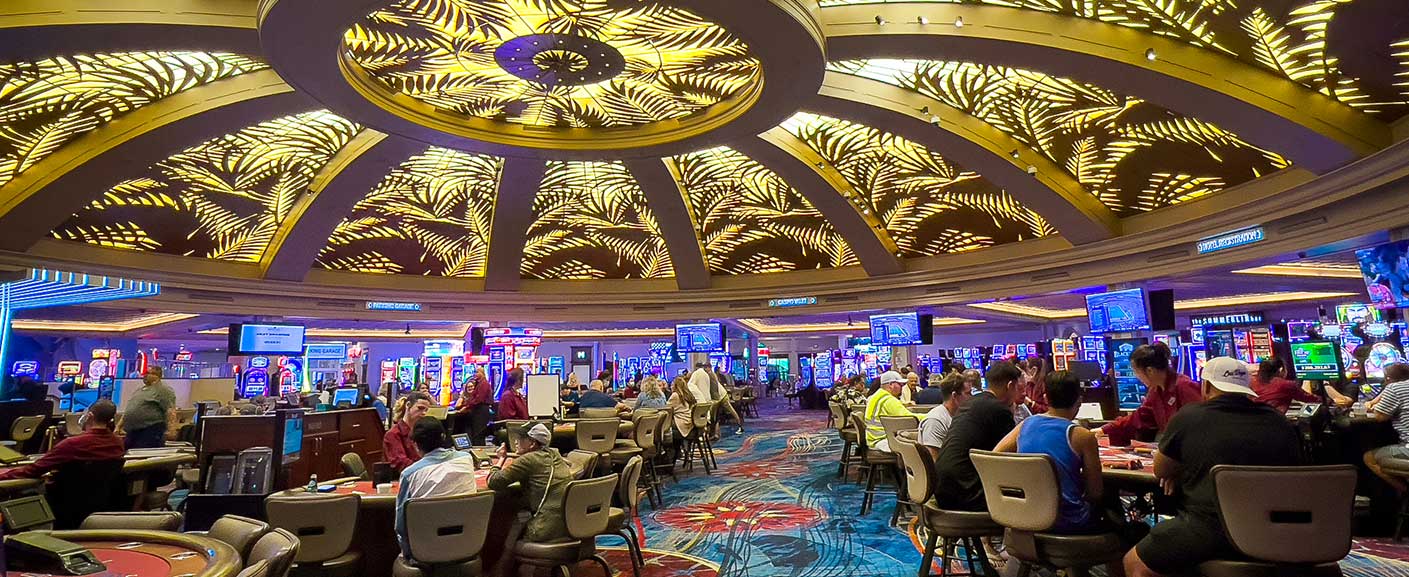
The ancient Chinese also contributed significantly to the history of gambling with the creation of games such as Keno, originally designed to fund governmental projects. Similarly, the Romans integrated gambling into their culture, enjoying activities such as betting on gladiatorial fights and chariot races. These early forms of gambling were not merely about chance; they involved strategic thinking and social engagement, thus establishing a foundation for the complex gambling practices we see today.
As societies evolved, so did gambling, adapting to changes in technology, economy, and culture. The invention of playing cards in the 9th century in China marked a turning point, offering new forms of play that would eventually spread throughout Europe. This evolution laid the groundwork for modern gambling, illustrating how a simple pastime can reflect broader cultural trends and transformations over centuries.
The Rise of Casinos
The concept of the casino as we know it began to take shape in the 17th century in Italy, where the first public gambling houses were established. These early casinos provided a controlled environment for gambling, attracting nobility and wealthy patrons. The Venetian Casino, for instance, allowed patrons to engage in games such as Chequers, which were both social events and financial ventures. The popularity of these establishments demonstrated gambling’s status as a significant leisure activity, one that would eventually sweep across Europe and beyond.
During the 19th century, gambling underwent significant transformations with the establishment of lavish casinos in places like Monte Carlo and Baden-Baden. These luxurious venues offered not only games of chance but also fine dining, entertainment, and a social atmosphere that captivated the elite. The allure of wealth and glamour associated with casinos solidified their place in popular culture, inspiring literature, films, and art that depicted the thrilling and often perilous nature of gambling.
As gambling spread to other parts of the world, particularly the United States, the casino industry experienced explosive growth. Las Vegas emerged as the gambling capital of the world in the mid-20th century, symbolizing the convergence of entertainment, luxury, and risk. The evolution of casinos reflects broader societal trends, from the pursuit of leisure and wealth to the complexities of morality and regulation surrounding gambling activities.
Cultural Perspectives on Gambling
Different cultures have perceived gambling in various ways, shaping its role in society. In some societies, gambling is viewed as a legitimate form of entertainment and recreation, while in others, it is frowned upon or outright banned. For example, in many Western countries, gambling is integrated into the social fabric, with laws regulating casinos and online gambling, making it accessible to the general public. The cultural acceptance of gambling in these societies has led to the proliferation of gaming activities as a significant part of entertainment and economic growth.
Conversely, some cultures regard gambling as a vice, associating it with moral degradation and social problems. In certain Islamic countries, for instance, gambling is strictly prohibited due to religious beliefs that emphasize the dangers of chance and luck. This disparity in perspectives illustrates how cultural values shape the acceptance and regulation of gambling, influencing everything from legal frameworks to social attitudes towards gamblers.
Moreover, the digital age has introduced new dimensions to gambling culture, particularly with the rise of online casinos and mobile gaming. This evolution has changed how individuals engage with gambling, allowing for greater accessibility but also raising questions about regulation, addiction, and social responsibility. The clash between tradition and modernity in gambling practices continues to reflect broader cultural narratives, illustrating how deeply intertwined gambling is with human experience.
The Impact of Technology on Gambling
The rapid advancement of technology has profoundly impacted the gambling landscape, revolutionizing how games are played and accessed. The introduction of the internet in the late 20th century paved the way for online casinos, allowing players to engage in their favorite games from the comfort of their homes. This convenience transformed the gambling experience, appealing to a broader audience and making gambling more accessible than ever before.
Moreover, technological innovations such as mobile gaming apps and virtual reality have created immersive experiences that mimic the excitement of traditional casinos. Players can now experience the thrill of betting on sports or playing poker with real-time interaction and social features. These advancements have not only modernized the gaming experience but have also raised new ethical and regulatory challenges, including issues related to addiction, security, and fair play.
In addition, data analytics and artificial intelligence are increasingly being utilized to enhance the gambling experience. Operators can tailor promotions and gaming options to individual preferences, ensuring a more personalized experience for players. This technological evolution marks a significant shift in the gambling industry, redefining how players engage with games and how operators interact with their audiences, thus reflecting the ongoing integration of technology into everyday life.

Exploring Gambling with MythosWin
MythosWin offers a unique platform for those interested in exploring the world of gambling, seamlessly integrating advanced technology with user-friendly design. With a focus on providing a comprehensive gaming experience, MythosWin caters to both seasoned gamblers and newcomers alike. The platform hosts a variety of games, allowing users to engage in classic casino experiences or try their luck with innovative online options.
In addition to its extensive game selection, MythosWin prioritizes the importance of security and responsible gaming. The platform employs cutting-edge technology to ensure safe transactions and a fair gaming environment, addressing the concerns that often accompany online gambling. By fostering a responsible gaming culture, MythosWin aims to create a sustainable and enjoyable experience for all users.
As gambling continues to evolve, platforms like MythosWin exemplify how technology can enhance the user experience while addressing critical issues of accessibility and responsible gaming. Through its commitment to innovation and user satisfaction, MythosWin stands at the forefront of the gambling industry, reflecting the dynamic interplay between technology, culture, and the age-old pastime of gaming.